
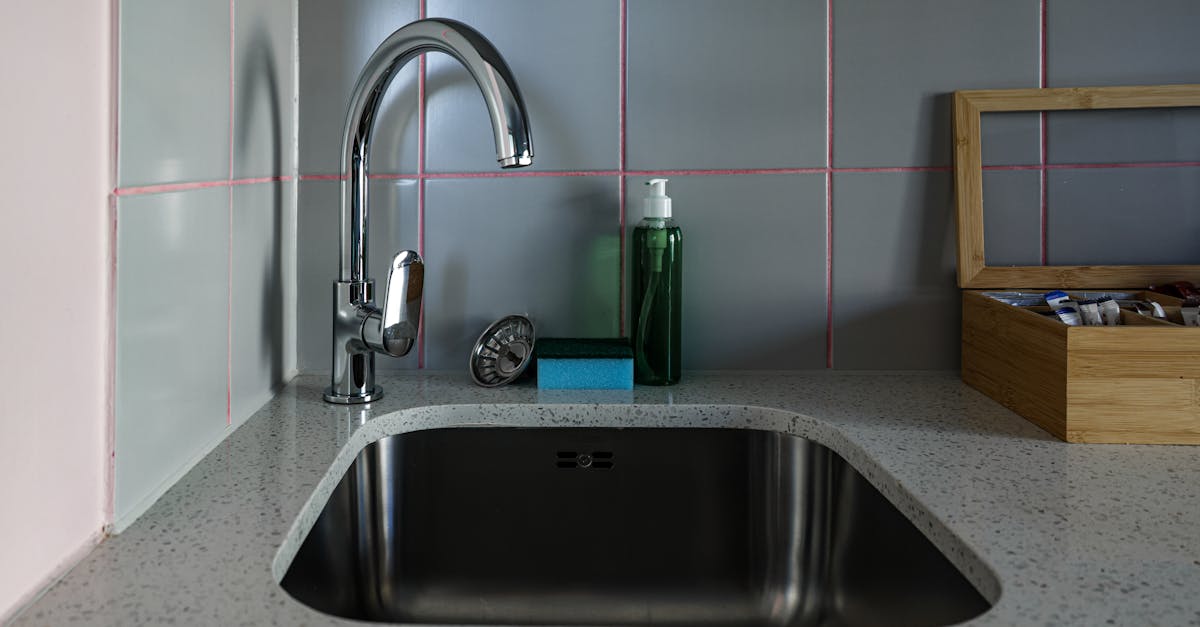
Good kitchen hygiene matters because the kitchen handles raw food, dirty packaging, hand contact, moisture, and the surfaces people touch all day. When a few basic habits are missing, mess builds faster and food safety risks quietly increase.
The good news is that better hygiene does not need a complicated checklist. A cleaner, safer kitchen usually comes from a small number of repeatable actions that fit into normal cooking and cleanup.
Clean as you go, but focus on the right zones
Many people wipe the obvious mess and assume the job is done. Real kitchen hygiene starts with the surfaces that collect the most contact: counters, taps, cabinet handles, appliance buttons, and the sink area.
These spots pick up raw-food residue, grease, and hand bacteria faster than people expect. A quick wipe after cooking keeps contamination from spreading into the next meal.
Separate raw-food prep from ready-to-eat foods
One of the most important kitchen hygiene habits is preventing cross-contamination. If raw meat, poultry, or unwashed produce touches a board, knife, or counter, that surface should be cleaned before it is used again for salad, bread, fruit, or cooked food.
Even in small kitchens, a simple routine helps: keep one prep area for raw ingredients and another for finished or ready-to-eat items. If space is tight, fully wash and reset the same area before moving on.
Do not let the sink become the dirty center of the room
The sink often holds the highest mix of food scraps, moisture, grease, and bacteria. That is why a kitchen can look tidy while still being less hygienic than it should be.
Rinse out food debris, clean the basin, and wipe around the tap and drain area regularly. Sponges, dish brushes, and cloths also need attention. If they stay damp and overloaded with residue, they stop helping and start spreading grime back onto surfaces.
Use cloths and sponges with a reset routine
Kitchen hygiene breaks down fast when the same cloth is used for everything. A dish cloth that touched the sink, raw-food packaging, and dining surfaces should not keep circulating without being rinsed or replaced.
- Use separate cloths for dishes and counters when possible
- Replace heavily soiled cloths quickly instead of pushing them through another day
- Let sponges and brushes dry properly between uses
- Wash reusable cleaning cloths frequently
Make handwashing part of the cooking flow
Hands move contamination around the kitchen more than almost anything else. Touching raw ingredients, bin lids, phones, fridge handles, and taps in one cooking session is normal, which is why short handwashing resets matter.
Wash hands after handling raw meat, eggs, rubbish, or dirty packaging, and before touching clean dishes or ready-to-eat food. That small pause prevents a lot of invisible spread.
Dry surfaces matter too
Moisture encourages smells, residue, and ongoing grime. After cleaning, leaving surfaces reasonably dry helps the kitchen stay fresher for longer. This is especially useful around the sink, draining area, and corners where water tends to sit.
The goal is consistency, not perfection
The best kitchen hygiene routine is the one people will actually keep. Wipe the high-touch zones, separate raw prep from ready-to-eat food, clean the sink properly, and refresh the cloths and tools doing the cleaning. Those simple habits do more than occasional heavy cleaning followed by long gaps.
When hygiene becomes part of the cooking flow, the kitchen feels cleaner, safer, and much easier to manage every day.
Image credits
- Photo by Magda Ehlers via pexels