
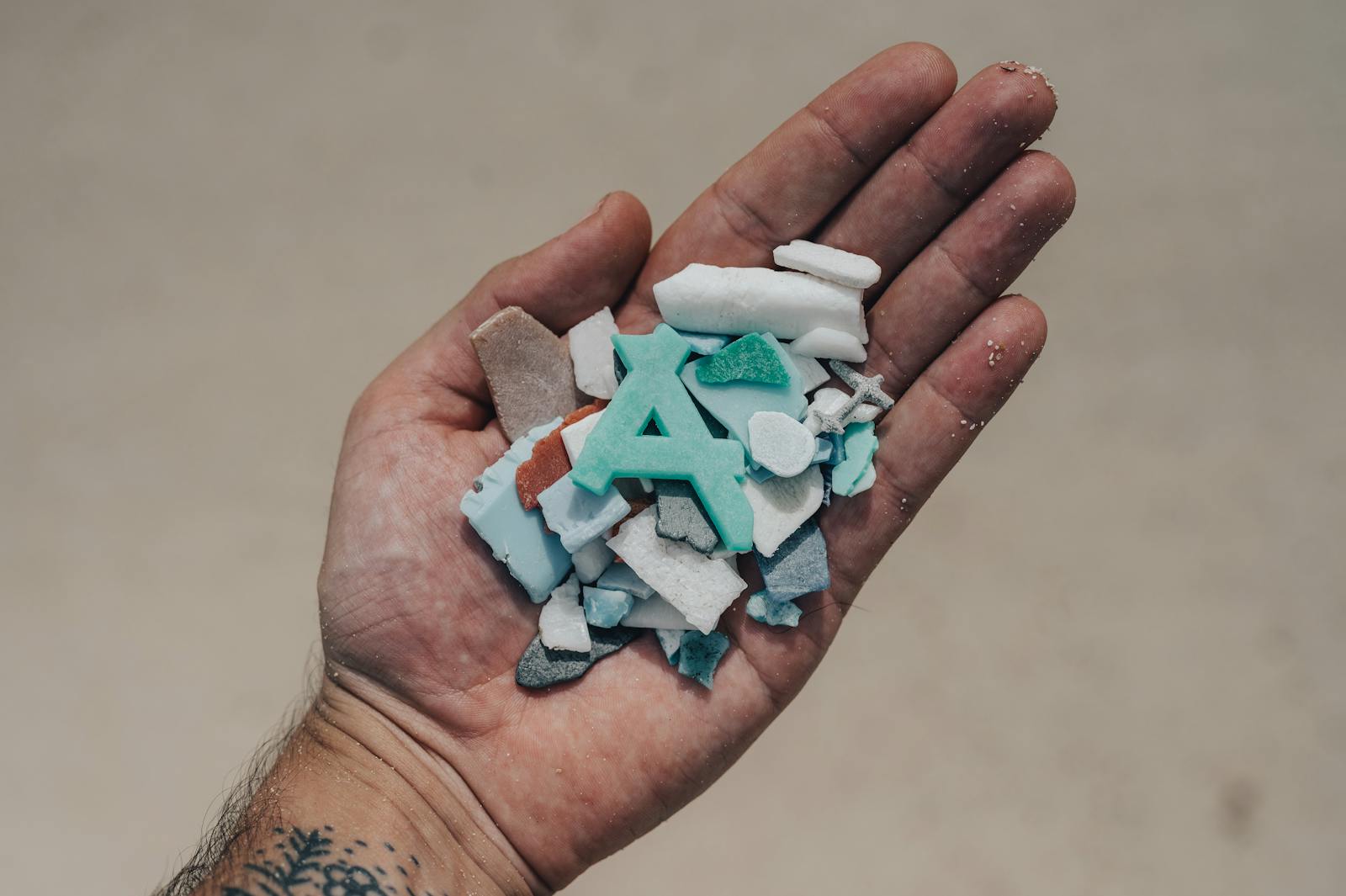
Microplastics are no longer just an ocean problem. They are showing up in drinking water, packaged foods, cookware, kitchen dust, and even the tools we use to prepare meals. While scientists are still working out the full health picture, one thing is already clear: the modern kitchen can quietly add more plastic to your diet than most people realise. The good news is that you do not need to panic or replace everything overnight. A few smart changes can meaningfully lower your exposure.
Executive Summary
Microplastics are tiny plastic particles, usually smaller than 5 millimetres, that can enter food and drink through water, packaging, kitchen tools, dust, and repeated contact with heat or friction. Kitchens are now considered one of the most important everyday exposure points because so many common habits involve plastic meeting food under exactly the conditions that make shedding more likely.
The strongest evidence today shows that microplastics are widespread in food and household environments. What is less settled is the long-term health impact of typical dietary exposure levels. Health agencies and researchers agree that more data is still needed, especially around nanoplastics, long-term accumulation, and which types of particles matter most biologically.
For normal households, the best response is not fear. It is targeted reduction. Drink less bottled water when safe filtered tap water is available. Avoid heating food in plastic. Replace deeply scarred plastic cutting boards and damaged nonstick cookware. Use glass or stainless steel for hot food and storage. Reduce dust buildup in the kitchen. These are practical, realistic steps that may lower repeated exposure over time.
What Are Microplastics?
Microplastics are small plastic fragments, fibres, or particles that usually measure less than 5 millimetres. Even smaller particles, often called nanoplastics, can be tiny enough to cross biological barriers more easily, although methods for measuring them still vary across studies.
These particles can come from two main sources. Some are made small from the start, while others break off from larger items over time. In the kitchen, that means plastic cutting boards, storage tubs, bottle caps, food pouches, plastic utensils, and nonstick coatings can all become sources of tiny particles during everyday use.
Scientific Evidence and Health Context
What the science already shows
The evidence is now strong enough to say that microplastics are common in water, seafood, salt, beverages, food packaging, and indoor environments. Studies have repeatedly detected particles in bottled water, tap water, edible tissue from seafood, and household air and dust. Kitchens matter because they bring together heat, friction, storage, washing, and direct contact with food.
Recent kitchen-focused reviews describe the kitchen as a modern exposure hotspot. Plastic cutting boards can shed particles under knife abrasion. Plastic containers may release more when heated. Repeated dishwasher cycles can wear down plastic foodware. Scratched coatings and worn utensils may also contribute more over time.
Where risk is plausible and where uncertainty remains
Scientists are studying links between microplastics and inflammation, oxidative stress, altered gut function, immune disruption, endocrine effects, and possible reproductive or cardiovascular impacts. Some human studies have detected plastic particles in blood, placenta, arteries, brain tissue, and other organs. Still, that does not mean every detected particle automatically translates into disease.
The biggest limitation is method quality. Different studies measure different sizes, use different detection tools, and control contamination differently. So while the exposure problem is real, exact numbers and exact long-term risk estimates are still moving targets.
Who may be more vulnerable
Infants, children, and pregnant people deserve extra caution. Early life is a sensitive development window, and intake per kilogram of body weight can be higher in babies and young children. Feeding bottles, food pouches, and plastic containers used with heat are especially worth paying attention to in these groups.
Open questions
Researchers are still working to answer several key questions. Which particle sizes matter most? Which plastic types are most biologically active? How much of what we ingest is excreted, and how much remains in the body? How much exposure comes from packaging and kitchen habits compared with contamination earlier in the food chain? These questions are still under active study.
How Microplastics Get Into Food
Microplastics can enter food long before it reaches your plate, and then more can be added at home. Food production, transport, packaging, storage, preparation, reheating, and even indoor air can all play a role.
Bottled water and bottled drinks
Bottled water is one of the most discussed sources because particles can come from the bottle, cap, lining, or bottling process. Other bottled drinks may also contain plastic particles introduced during processing or from packaging friction.
Heating food in plastic containers
Heat is one of the clearest everyday triggers for particle release. Microwaving food in plastic containers, reheating sauces in old takeaway tubs, or pouring hot soup into plastic storage can all increase shedding. The hotter the contact, the less stable many plastic materials become.
Plastic cutting boards
Every knife cut creates abrasion. Over time, this can shave small particles from the surface of the board. Deep grooves and visible wear usually mean the board is more likely to shed. This is one of the most overlooked kitchen sources because it happens during normal food prep.
Nonstick cookware and plastic utensils
Nonstick pans are convenient, but scratched, peeling, or heavily worn coatings are not worth keeping. Plastic utensils used with very hot cookware can also degrade over time. Heat plus scraping plus repetition is exactly the kind of use pattern that can increase release.
Tea bags, food packaging, and wrappers
Some tea bags, liners, food pouches, takeaway containers, and packaging components contain plastic. When these are exposed to boiling water or heat, tiny particles may transfer into food and drink.
Indoor dust and air fallout
Kitchen exposure is not only about what touches food directly. Indoor air can contain microplastic fibres and fragments from clothing, furnishings, household materials, and general wear. These particles can settle onto counters, plates, and uncovered food.
Why This Matters
The issue with microplastics is not just that they exist. It is that they are now found almost everywhere people eat, drink, cook, and store food. That makes exposure frequent and hard to avoid completely. Even if the full health picture is still developing, reducing unnecessary contact is a sensible choice.
What makes this especially important is that many sources are avoidable. You may not be able to control every plastic particle in the wider environment, but you can reduce repeated high-contact uses of plastic around food in your own kitchen. That is where practical action makes the most sense.
Common Kitchen Sources and What to Do About Them
| Source | Practical Risk Level | Why It Matters | Best Mitigation |
|---|---|---|---|
| Bottled water and bottled drinks | High | Bottled beverages can introduce particles from bottles, caps, and processing. | Use safe filtered tap water when possible. Choose glass or stainless steel reusable bottles. |
| Heating food in plastic containers or pouches | High | Heat can increase shedding from plastic food-contact materials. | Reheat food in glass, ceramic, or stainless steel instead. |
| Plastic cutting boards | High | Repeated knife abrasion wears away the surface and can transfer particles into food. | Replace deeply scarred boards. Consider switching to wood or another lower-shedding option. |
| Damaged nonstick cookware | Medium to High | Scratched or peeling coatings are more likely to break down during cooking. | Retire damaged pans and replace them with stainless steel, cast iron, or enamel options when practical. |
| Plastic utensils used with hot food | Medium | Repeated heat contact can degrade the material over time. | Use stainless steel, wood, or high-quality silicone where suitable. |
| Plastic tea bags and some packaging materials | Medium | Hot water and heat can increase particle release from some materials. | Choose loose-leaf tea or plastic-free tea bags when possible. |
| Plastic foodware in dishwashers | Medium | Repeated washing, heat, and agitation can wear plastic items down. | Use glass or stainless steel containers more often and avoid overusing old plastic foodware. |
| Indoor kitchen dust | Medium | Airborne particles can settle on counters and uncovered food. | Damp-wipe surfaces, vacuum regularly, ventilate the room, and keep food covered while cooling. |
| Tap water | Low to Medium | Tap water can contain microplastics, but often less than bottled water. | Use a credible water filtration system if needed and if your local water supply is safe. |
Note: The risk levels above are practical household estimates based on release evidence, frequency of contact with food, and ease of mitigation. They are not official toxicological rankings.
How to Reduce Microplastic Exposure at Home
Switch from bottled water to filtered tap water
If your local tap water is safe to drink, this is one of the easiest first moves. It cuts waste, saves money, and may reduce repeated exposure linked with bottled drinks and closures.
Stop heating food in plastic
Do not microwave meals in plastic tubs, pouches, or takeaway containers. Reheat food in glass, ceramic, or stainless steel instead.
Replace worn cutting boards
If your plastic cutting board is deeply grooved or heavily scarred, replace it. A damaged board is not just unattractive. It is likely releasing more material into food prep areas.
Retire scratched nonstick pans
Once a pan is peeling, flaking, or visibly scratched, it is time to move on. Trying to extend its life is not worth it.
Store hot foods in safer materials
Glass and stainless steel are better choices for hot leftovers, soups, sauces, and other foods that stay warm for longer periods.
Use fewer disposable and plastic-heavy food-contact items
Choose reusable containers, minimise soft plastic storage where possible, and avoid relying on old takeaway tubs as long-term food storage.
Reduce kitchen dust
Damp-clean surfaces instead of only dry-wiping them. Vacuum regularly, improve airflow, and keep food covered while it cools on the counter.
Make gradual material swaps
You do not need to remove all plastic from your kitchen overnight. Focus on the biggest high-heat, high-friction uses first. That is where your effort is likely to matter most.
Best Kitchen Swaps to Reduce Microplastics
- Swap bottled water for filtered tap water
- Swap plastic storage containers for glass containers
- Swap damaged nonstick pans for stainless steel or cast iron
- Swap old plastic cutting boards for wooden boards
- Swap plastic utensils for wooden or stainless steel utensils
- Swap plastic tea bags for loose-leaf tea or plastic-free alternatives
- Swap old takeaway tubs for durable reusable food storage
Actionable Checklist
- Switch from bottled water to filtered tap water if your local water supply is safe.
- Do not microwave food in plastic containers or pouches.
- Replace deeply scarred plastic cutting boards.
- Throw out scratched or peeling nonstick pans.
- Use glass or stainless steel for hot leftovers and long storage.
- Choose loose-leaf tea or plastic-free tea bags when possible.
- Reduce repeated dishwasher wear on old plastic food containers.
- Keep kitchen surfaces clean and reduce dust buildup.
- Cover food while it cools on the counter.
- Focus on reducing high-heat, high-contact plastic use instead of trying to eliminate all plastic at once.
Simple Action Plan
- Stop heating food in plastic.
- Use filtered tap water when safe and practical.
- Replace worn plastic cutting boards.
- Retire damaged nonstick cookware.
- Store hot food in glass or stainless steel.
- Reduce kitchen dust and keep food covered.
- Upgrade materials slowly, starting with the most-used items.
Policy and Industry Actions
Regulators and researchers are taking microplastics more seriously, but the policy response is still developing. Much of the global conversation is still in the stage of concern plus uncertainty, rather than a finished set of universal standards.
That said, some clear trends are emerging. More research is now focused on food-contact materials, improved detection methods, and packaging-related contamination. Some regions have already started restricting intentionally added microplastics in certain products, while international negotiations around wider plastic pollution are still ongoing.
Industry is also starting to respond. Packaging reform, improved migration testing, better caps and closures, and design changes to reduce friction and shedding are all areas where manufacturers are under growing pressure to improve.
Frequently Asked Questions
Are microplastics really in tap water?
Yes. Studies have found microplastics in tap water, although levels vary by location, source, and how the testing was done. In many cases, tap water still appears to contain fewer particles than bottled water.
Is bottled water worse than tap water for microplastics?
Often, yes. Bottled water is frequently highlighted as a major source because contamination can come from the bottle, the cap, and the bottling process itself.
Does microwaving plastic increase exposure?
Yes. Heating is one of the clearest everyday conditions that can increase particle release from food-contact plastics. That is why switching to glass or ceramic for reheating is one of the best first steps.
Do plastic cutting boards shed into food?
Yes. Repeated knife contact can abrade the surface and send tiny particles into the prep area and food. The more worn the board is, the bigger the concern.
Are the health risks proven?
Not in a final, fully settled way. Scientists and health agencies still say there are important uncertainties, especially around long-term exposure, nanoplastics, and which specific particle types are most harmful. But the exposure itself is clearly real enough to justify practical reduction steps.
What is the simplest first step to reduce exposure?
If your local water is safe, switching from bottled water to filtered tap water and stopping the practice of heating food in plastic are two of the easiest and most practical changes.
Do I need to remove all plastic from my kitchen?
No. That is not realistic for most people. Focus first on the items that get hot, get scratched, or touch food often. Those are the most important areas to improve.
Final Thoughts
Microplastics in food are not a fringe concern anymore, but they are also not a reason to panic. The clearest takeaway from the current science is that exposure is real, kitchens matter, and simple habit changes can likely lower your repeated exposure in meaningful ways.
You do not need perfection. You need practical improvements. Reduce bottled water where possible. Stop heating food in plastic. Replace worn-out kitchen tools. Use glass, stainless steel, ceramic, and wood more often. That is where real-world value lies, and that is where small daily habits can make a difference over time.
Endnotes
- World Health Organization report on dietary and inhalation exposure to nano- and microplastic particles.
- U.S. Food and Drug Administration information page on microplastics and nanoplastics in foods.
- European Food Safety Authority work on microplastics and nanoplastics in food.
- National Institutes of Health summary of bottled water plastic particle research.
- Systematic reviews and meta-analyses on microplastics in tap water.
- Research on anthropogenic particles in seafood and edible tissue samples.
- Systematic reviews of microplastic emissions in kitchens.
- Studies examining plastic cutting boards as a source of microplastics in food.
- Research on microplastic and nanoplastic release from food containers and reusable pouches.
- Studies on cookware-related particle release, including PTFE-coated surfaces.
- Research on plastic particle release during dishwashing.
- Food safety findings on contamination linked with bottle caps and beverage packaging.
- Research on plastic tea bags and hot beverage contamination.
- Studies exploring possible links between microplastics, tissues, plaques, and health outcomes.
- Evidence maps examining food-contact materials as sources of micro- and nanoplastics.
Image credits
- Photo by Alfo Medeiros via pexels