
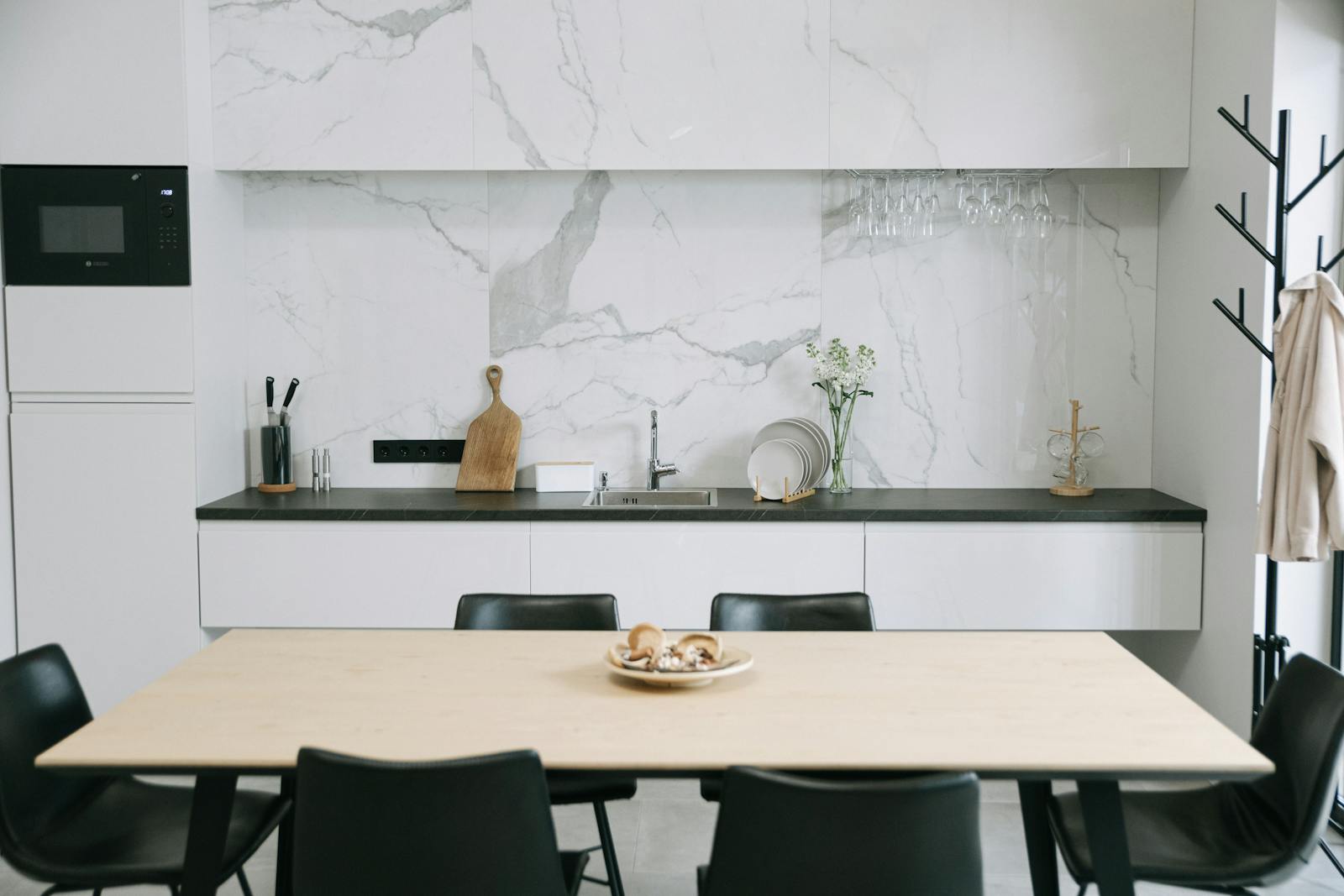
The modern kitchen does more than ever. It is where people cook, eat, talk, work, recharge devices, and move through daily life. But as kitchens have become more central, they have also become louder.
Appliances hum, drawers slam, dishes clatter, extractor fans roar, and hard surfaces bounce sound around the room. That is why a new idea is quietly gaining attention in kitchen design: the acoustic kitchen.
An acoustic kitchen is not only about how the space looks. It is about how the space sounds and feels. In 2026, more homeowners are starting to value kitchens that reduce noise, soften the atmosphere, and make everyday routines feel calmer.
Why kitchens often sound harsher than they should
Many kitchens are filled with sound-reflective materials. Stone counters, tile backsplashes, glass, metal, and hard flooring all help noise bounce instead of disappear. Open-plan layouts can make this even more noticeable because the sound travels farther and lingers longer.
The result is a room that may look beautiful but feels sharper, louder, and more tiring than expected.
Silence is becoming part of luxury
The new idea of a luxurious kitchen is not only visual perfection. It is comfort. A kitchen that sounds calmer often feels more expensive because it is easier to be in. Soft-close cabinetry, quieter dishwashers, better extractor systems, and thoughtful material choices all help the space feel more controlled.
That sense of quiet has become part of what makes a kitchen feel modern and refined.
How acoustic thinking changes design choices
Designing for silence does not mean making the kitchen boring. It means choosing elements that reduce unnecessary noise and visual stress at the same time.
- Soft-close drawers and cabinet doors reduce sharp impact sounds
- Integrated appliances keep the room cleaner and often quieter
- Wood accents and matte finishes soften both sound and appearance
- Rugs, upholstered seating, or nearby textiles in open-plan homes can absorb sound
- Better storage reduces clatter from overcrowded drawers and counters
Even small changes like reorganizing noisy drawers or reducing hard object clutter can noticeably improve the sound of the room.
Minimalism helps, but only when it works
There is a clear connection between acoustic kitchens and the move toward calmer, more minimalist spaces. Cleaner lines, hidden storage, and fewer exposed objects often reduce both visual and physical noise. But the goal is not emptiness. It is ease.
A kitchen should still feel warm, useful, and human. The best acoustic kitchens combine simplicity with comfort, not sterility.
Why this matters in everyday life
Most people do not think about kitchen acoustics until they feel the effect. A loud kitchen can make mornings more stressful, conversations more difficult, and cleanup more draining. A quieter kitchen changes the emotional tone of the home.
That is why acoustic design matters. It improves not just sound, but the whole daily experience of the room.
Final thoughts
The acoustic kitchen reflects a bigger change in design priorities. People still want beautiful kitchens, but they also want spaces that feel calmer, softer, and easier to live with.
In 2026, silence is becoming part of smart design. And in the heart of the home, that may be one of the most valuable upgrades of all.
Image credits
- Photo by Max Vakhtbovycn via pexels