
Why this trend is growing now
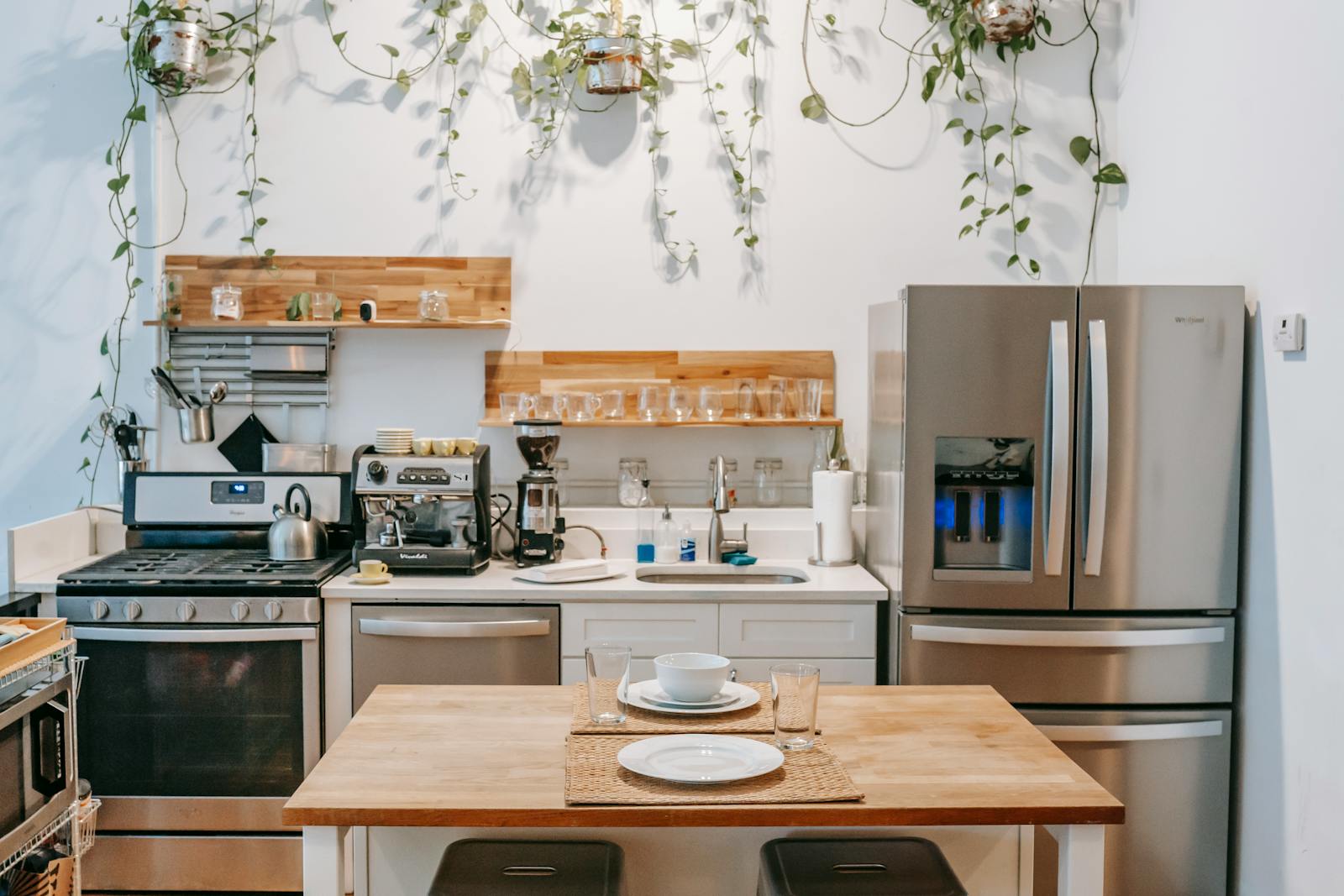
Japandi kitchens combine warmth, simplicity, and practicality in a way that feels calm but highly livable.
Kitchen design is shifting away from ideas that feel overly staged or short-lived. People want kitchens that look thoughtful, feel comfortable, and still work well every day. That is exactly why this direction is gaining momentum.
What is driving the change
Japandi Kitchens: Blending Minimalist Design with Everyday Functionality reflects a broader move toward spaces that feel more intentional. Homeowners are paying closer attention to texture, balance, and usability rather than chasing one-dimensional trends.
That usually leads to better long-term choices. When a design decision improves both the look and the daily experience of the kitchen, it tends to last longer and feel more valuable.
Why it works so well in modern kitchens
Modern kitchens are no longer judged only by how sleek they look in photos. They are also judged by how calm they feel, how easy they are to maintain, and how naturally they fit into the rest of the home.
This trend works because it supports all three. It helps the kitchen feel more cohesive, more lived in, and less visually exhausting.
How to use the look without overdoing it
The smartest approach is usually restraint. One strong design move often has more impact than several competing ones. Whether that means a material choice, a layout decision, or a finish change, the effect is stronger when the room still feels balanced.
That is also what keeps the kitchen from feeling dated too quickly.
Final thoughts
Japandi Kitchens: Blending Minimalist Design with Everyday Functionality is part of a bigger shift toward kitchens that feel warmer, smarter, and easier to live with. Instead of chasing whatever looks newest, people are choosing ideas that bring real comfort and visual clarity.
That is why this trend feels less like a passing phase and more like the direction kitchen design is genuinely moving in.
Image credits
- Photo by Max Vakhtbovycn via pexels