
Why kitchen cleaning feels harder than it should
Kitchen cleaning usually gets overwhelming when small messes are left too long. Grease starts to stick, crumbs spread, dishes pile up, and counters stop feeling usable. The real fix is not a complicated system. It is a repeatable routine that keeps the room under control before dirt turns into a bigger job.
The best kitchen cleaning routine focuses on high-impact areas first: counters, sink, hob, handles, and the spots that collect daily mess. When those stay clean, the whole kitchen feels lighter and easier to manage.
Start with a 5-minute reset after each cooking session
The easiest way to stay ahead of kitchen mess is to do a short reset every time you finish cooking. Wipe the counters, rinse the sink, put ingredients back, and deal with obvious spills immediately. This removes most of the work before it has time to harden, smell, or spread.
A fast reset also protects the next cooking session. You start with a clean surface instead of inherited mess from the last one.
Clean in the right order
One reason kitchen cleaning feels inefficient is that many people clean in a random order. Start high, then move low. Clear clutter first, then wipe surfaces, then clean the sink, and leave the floor for last. This prevents you from cleaning the same area twice and keeps loose dirt moving in one direction.
Inside that routine, focus first on surfaces you touch every day. Cabinet handles, taps, appliance buttons, and fridge doors can look clean while still collecting grease and bacteria.
Make your sink the visual reset point
A dirty sink makes the entire kitchen feel messy, even when the rest of the room is mostly fine. If you only have time for one thing, empty the sink, rinse it, and wipe around the tap area. That one move changes how the whole space looks and makes it easier to keep going.
Many people find that once the sink is clean, wiping the counters and putting items back into place feels much easier.
Keep cleaning tools simple and accessible
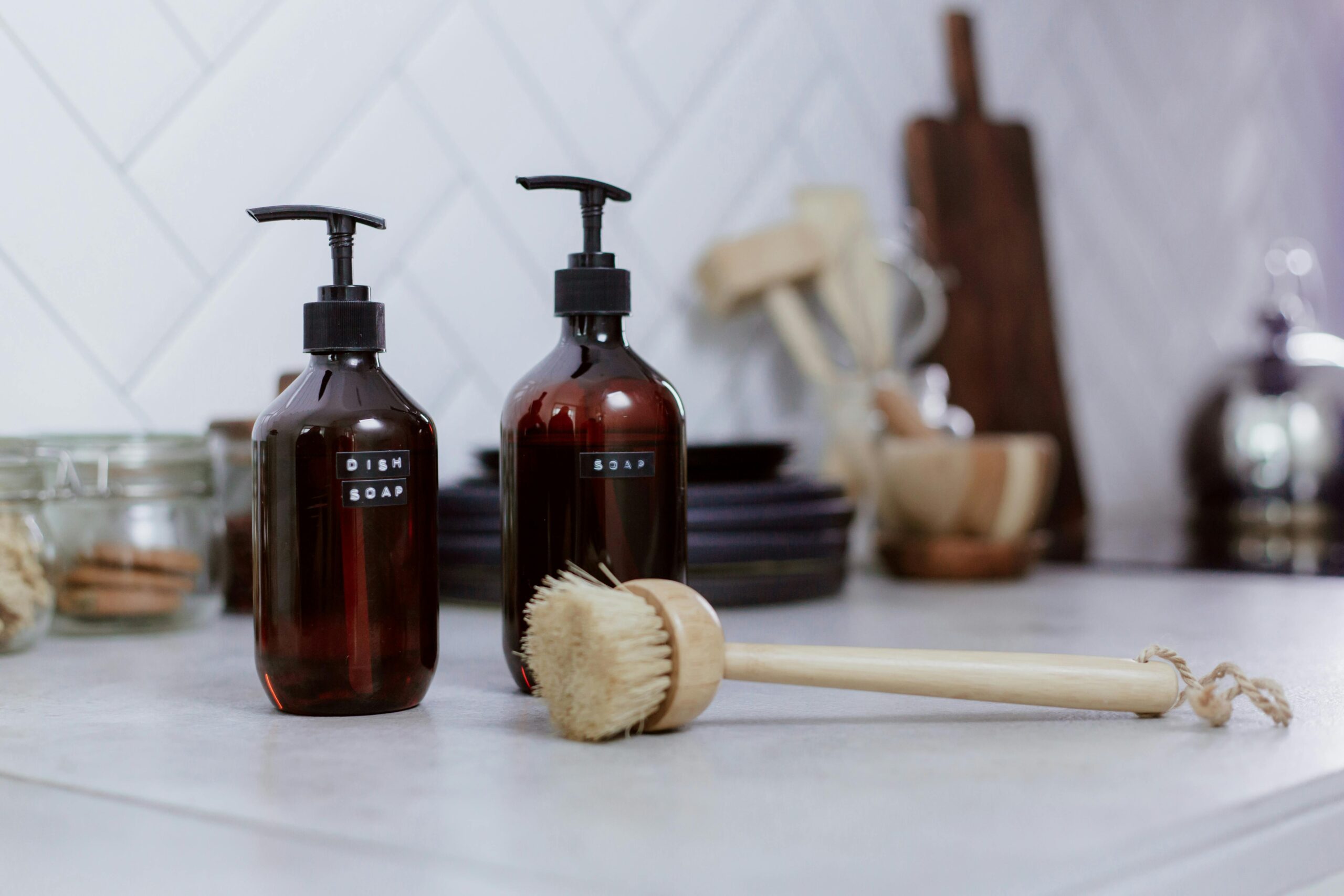
A practical kitchen cleaning setup does not need ten products. In most homes, a reliable degreaser, a microfibre cloth, dish soap, a scrub brush, and paper towels are enough for everyday maintenance. The important part is access. If your spray and cloth are easy to grab, you clean faster and more often.
Store the essentials close to the sink or the area where spills usually happen. Reducing friction is what turns good intentions into a real habit.
Do one deeper clean each week
Daily resets keep the kitchen stable, but a weekly clean prevents gradual buildup. Wipe cabinet fronts, clean the hob properly, check the microwave, empty crumbs from the toaster area, and sweep under anything that traps dust or food bits. This weekly layer stops the kitchen from drifting back into chaos.
If you stay consistent with the quick resets, the weekly clean becomes much shorter and less annoying.
A cleaner kitchen is usually a simpler kitchen
The kitchens that stay cleanest are often the ones with less visual clutter and fewer unnecessary items on display. Trays, containers, and designated zones help, but so does removing things you do not use often. The less you have to clean around, the easier it is to wipe down the room properly.
Good kitchen cleaning is not about perfection. It is about creating a routine that is easy enough to repeat and effective enough to keep your space calm, hygienic, and ready to use every day.