
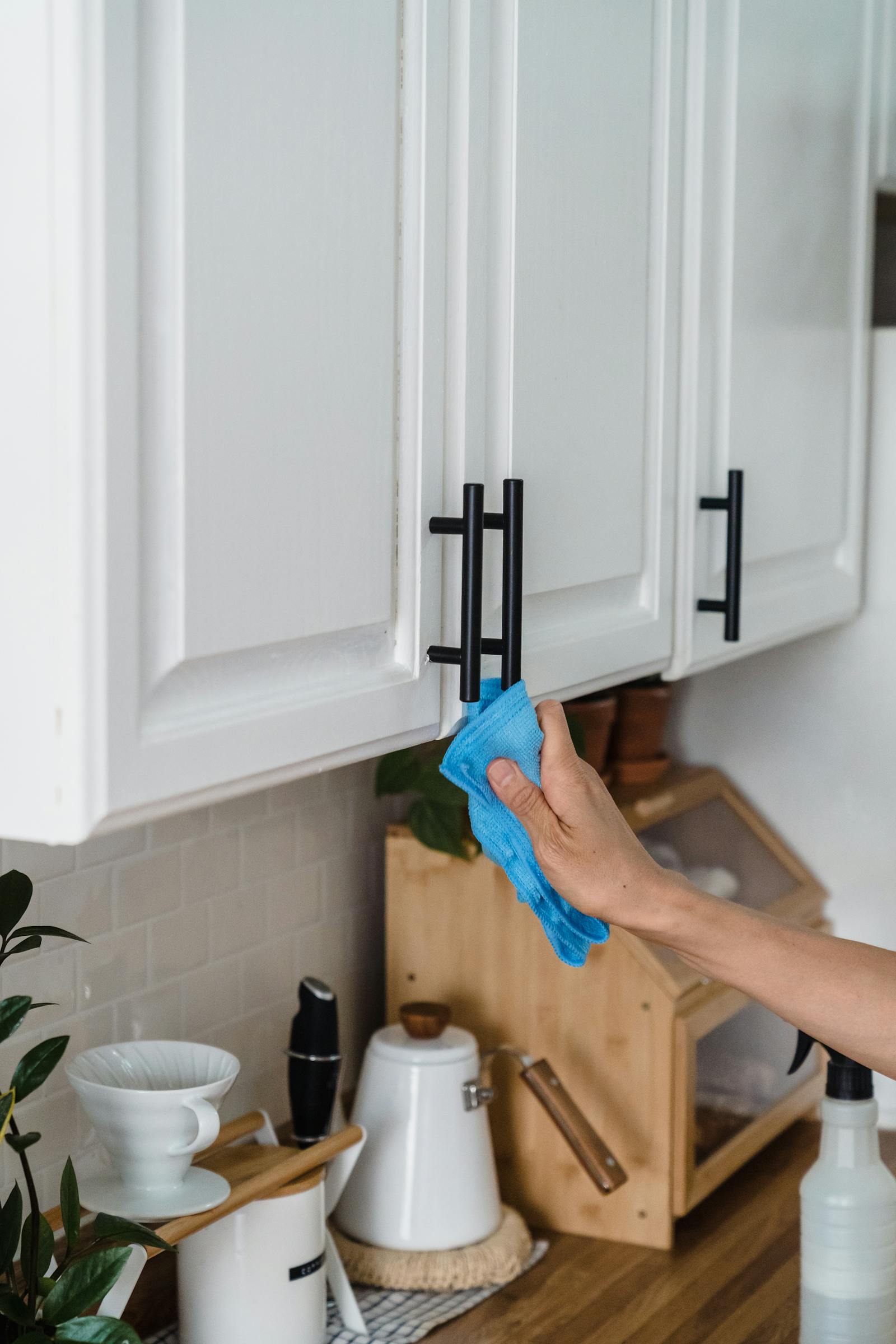
What cleaning therapy really means
Cleaning therapy is the idea that a tidy, easy-to-maintain space can improve how you feel as much as how the room looks. In the kitchen, that means reducing friction. The easier it is to wipe surfaces, put things away, and avoid clutter, the less stressful the whole space becomes.
A kitchen that practically cleans itself is not magic. It is the result of smart design choices that make mess less likely and cleanup less exhausting.
Start with surfaces that are easy to maintain
Some kitchens look impressive but are frustrating to keep clean. High-maintenance materials, heavy texture in the wrong places, and awkward corners all create more work. A lower-stress kitchen usually uses surfaces that wipe down quickly and do not trap grime.
Matte cabinetry, practical countertops, easy-clean backsplashes, and fewer unnecessary grooves or decorative details can make a major difference in everyday upkeep.
Storage is part of the therapy
A messy kitchen often starts with poor storage. When daily-use items have no clear home, they stay on the counters. Once clutter builds up, cleaning becomes more annoying than it should be.
Designing a calmer kitchen means making storage obvious and convenient. Drawers that actually fit your tools, cabinets that are easy to reach, and zones for daily essentials all help the room stay cleaner without constant effort.
Layout can reduce mess before it starts
The best kitchens are designed around flow. When the trash, sink, prep area, and cleaning supplies work together naturally, small messes get handled faster. That means fewer piles, fewer sticky surfaces, and less buildup over time.
Even simple changes like placing towels where spills happen, keeping sprays hidden but accessible, and using trays to group countertop items can make the whole room feel more self-managing.
A clean kitchen also feels mentally lighter
This is where the idea of cleaning therapy becomes real. A kitchen that is easy to reset supports a calmer routine. It removes the feeling that every meal leads to another exhausting cleanup session.
That emotional effect matters. When the kitchen feels easier to manage, people are more likely to enjoy using it, keep it organized, and feel more relaxed at home overall.
Final thoughts
Cleaning therapy is not about obsessing over spotless perfection. It is about designing a kitchen that works with you instead of against you.
When the layout, storage, and surfaces are chosen well, the kitchen stays cleaner with less effort, and that can quietly improve everyday life more than people expect.
Image credits
- Photo by RDNE Stock project via pexels